
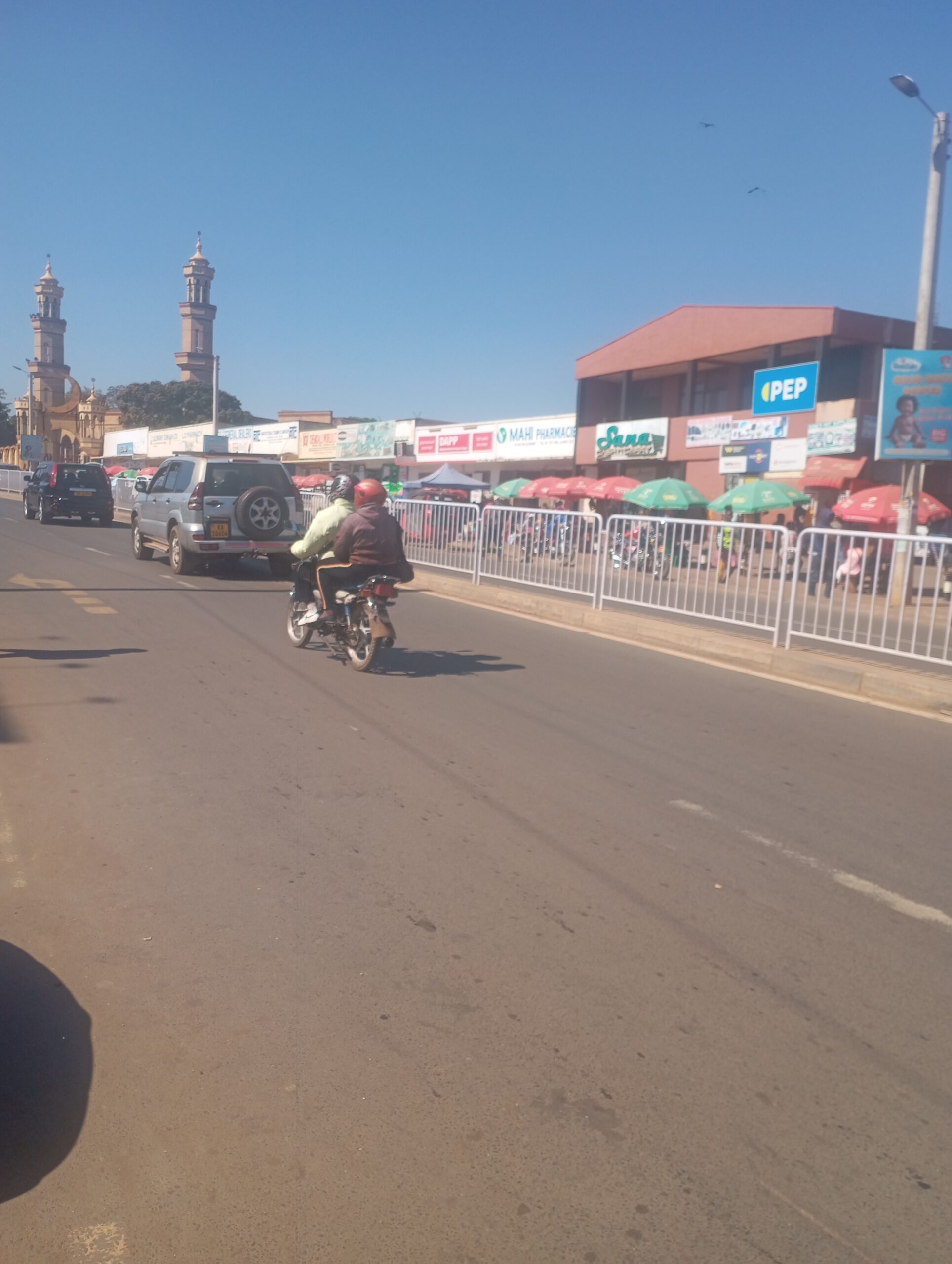
How Safe is Lilongwe, Especially at Night?
An Izala.info Travel & Safety Guide
Lilongwe
The capital city of Lilongwe in Malawi, is often described as one of the calmer capitals in Southern Africa. Unlike many major cities on the continent, Lilongwe does not feel overwhelmingly chaotic during the day. It has government districts, residential suburbs, markets, and developing commercial zones that create a balanced urban environment.
However, like any growing capital city, safety conditions change depending on time, location, and personal behavior. The question many residents, travelers, and business visitors ask is: How safe is Lilongwe at night?
This article explores the reality on the ground, separating perception from practical experience, and offering safety guidance for anyone living in or visiting the city.
- Understanding the General Safety Picture of Lilongwe
During the day, Lilongwe is generally considered stable and manageable. Government areas such as Capital Hill, City Centre, and major commercial zones are active, with people moving for work, shopping, and transport.
Crime exists, as it does in any capital city, but it is usually not extreme in comparison with larger African metropolitan areas. The main concerns are:
Petty theft (especially pickpocketing in crowded places)
Opportunistic phone snatching
Occasional break-ins in residential areas
Informal taxi overcharging or scams targeting visitors
Violent crime is not a constant daily concern in most areas, but it can occur, especially in poorly lit or isolated areas at night.
The key point is that Lilongwe is not a “no-go city” at night—but it is also not a place where one should move carelessly after dark. - What Changes at Night in Lilongwe?
Nighttime safety in Lilongwe shifts mainly due to three factors:
a) Reduced visibility
Street lighting in some areas is inconsistent. In less developed neighborhoods or outer residential zones, darkness creates opportunities for crime or accidents.
b) Reduced public movement
After business hours, many areas become quiet. Fewer people on the streets means less natural surveillance, which can make opportunistic incidents more likely.
c) Transport dependency
At night, people rely heavily on taxis or private vehicles. Walking long distances is less common and can be risky in unfamiliar areas.
Because of these factors, safety depends more on planning and awareness after sunset. - Areas Considered Safer at Night
Some parts of Lilongwe remain relatively active and safer at night due to lighting, security presence, or commercial activity.
a) City Centre and major commercial zones
Areas around banks, supermarkets, and busy roads often have security guards and occasional traffic even at night.
b) Hotels and guesthouse zones
Hospitality areas are usually more controlled environments, with security personnel and monitored access.
c) Well-established residential neighborhoods
Certain planned areas with gated homes and private security tend to be safer than informal settlements.
Even in these areas, movement should still be cautious—safety is relative, not absolute. - Areas Where Caution is Needed at Night
Some parts of the city require extra awareness, especially after dark:
a) Poorly lit residential zones
Unplanned or semi-developed areas may have limited street lighting and fewer security patrols.
b) Quiet road stretches
Long, empty roads between districts can feel unsafe at night, especially for pedestrians.
c) Informal market areas after closing time
Markets during the day are busy and safe enough, but after traders leave, the environment becomes deserted.
d) Bus stops and taxi ranks late at night
These areas can attract opportunistic theft or scams targeting tired travelers.
The risk is not necessarily constant danger, but unpredictability. - Common Nighttime Risks in Lilongwe
Understanding the most common risks helps travelers and residents stay alert without fear. - Phone snatching
One of the most reported issues in many urban areas is sudden phone grabbing, especially near roads or when walking alone. - Pickpocketing in transport hubs
Crowded taxis or minibuses can attract pickpockets. - Opportunistic robbery
Rare but possible in isolated areas where visibility is low. - Taxi overcharging or route manipulation
Some drivers may increase prices for unfamiliar passengers or take longer routes. - Walking alone in dark areas
This increases vulnerability simply due to lack of witnesses or assistance nearby.
Again, these are situational risks rather than constant threats across the entire city. - Transport Safety at Night
Transport is one of the most important factors in nighttime safety in Lilongwe.
Taxis
Registered taxis or hotel-arranged transport are generally safer. It is advisable to:
Confirm the fare before starting the journey
Use trusted drivers when possible
Avoid sharing rides with unknown passengers if uncomfortable
Ride-hailing services
Where available, app-based transport options provide tracking and driver identification, improving safety.
Walking
Walking long distances at night is not recommended in unfamiliar areas. Even in familiar neighborhoods, it is safer to travel in groups or use transport. - Safety for Visitors vs Locals
Visitors
Tourists or first-time visitors are more vulnerable because they may:
Not know safe routes
Be unfamiliar with local pricing
Carry visible valuables (phones, cameras, cash)
For visitors, staying in well-reviewed accommodation and using arranged transport significantly reduces risk.
Locals
Residents tend to have stronger awareness of safe routes, trusted transport options, and neighborhood behavior patterns. However, locals are not immune to nighttime risks, especially when traveling alone. - Role of Police and Security Presence
Lilongwe has visible police presence in key areas, particularly around government institutions and major roads. Security patrols are more common in central districts compared to outskirts.
However, response times and coverage can vary depending on location and time of night. This makes personal prevention more important than reliance on emergency response.
Private security is also widely used in residential homes, businesses, and hotels, contributing to overall safety in controlled environments. - Practical Safety Tips for Nighttime in Lilongwe
Whether you are living in Lilongwe or visiting, these practical habits significantly improve safety:
Stay aware of surroundings
Avoid distractions like excessive phone use while walking in public at night.
Plan your movement
Know where you are going before leaving. Avoid unnecessary stops in unfamiliar areas.
Avoid displaying valuables
Keep phones and expensive items out of sight when not in use.
Travel in groups when possible
There is safety in numbers, especially in less busy areas.
Use trusted transport
Prefer known taxis, hotel drivers, or app-based services when available.
Choose accommodation wisely
Staying in secure, well-reviewed areas improves overall nighttime safety. - The Reality: Is Lilongwe Dangerous at Night?
The honest answer is: Lilongwe is not inherently dangerous, but it requires awareness at night.
It is not a city where nighttime travel is impossible, nor is it completely risk-free. Instead, it falls into the category of moderate-risk urban environments where:
Most incidents are preventable
Awareness significantly reduces danger
Location and behavior matter more than time alone
For many residents, normal night life continues—people go to restaurants, visit friends, or travel home from work. But they do so with caution and local knowledge. - Comparing Perception and Reality
There is often a difference between how safety is perceived and how it is experienced:
Perception: Fear of crime at night may feel high due to stories or isolated incidents
Reality: Most nighttime movement in safer zones is uneventful when precautions are taken
Like many cities, negative experiences tend to be more memorable than routine safe journeys. - Final Thoughts: Living and Moving Safely in Lilongwe at Night
Lilongwe remains one of the more manageable capitals in the region in terms of safety, but nighttime conditions demand smart behavior rather than fearlessness.
For residents, it is a city where daily life continues beyond sunset with caution.
For visitors, it is a city where planning ahead makes a significant difference.
The key takeaway is simple:
Safety in Lilongwe at night is not about avoiding the city—it is about understanding it.
With awareness, proper transport choices, and sensible movement, most people experience Lilongwe as a safe and welcoming capital, even after dark.

Leave a Reply