

Striking Similarities Between Malawi and Zanzibar
A Cultural and Travel Connection Worth Discovering
When travelers think about Africa’s most memorable destinations, two places quietly stand out for their warmth, culture, history, and natural beauty — Malawi and Zanzibar. At first glance, these destinations may appear very different. One is famous for its vast freshwater lake and peaceful villages, while the other is known for white sandy beaches and the historic charm of Stone Town. However, a closer look reveals many striking similarities that connect Malawi and Zanzibar in surprising and meaningful ways.
For travelers seeking authentic African experiences, both destinations offer a blend of hospitality, cultural richness, traditional lifestyles, and historical depth. These similarities make Malawi and Zanzibar ideal destinations for tourists who appreciate culture, heritage, relaxation, and genuine human connection.

- Warm Hospitality and Friendly People
One of the strongest similarities between Malawi and Zanzibar is the warmth of the people. Malawi is widely known as “The Warm Heart of Africa,” a name earned through the kindness, humility, and welcoming spirit of its citizens. Visitors often speak about how locals greet strangers with smiles and make tourists feel at home.
Zanzibar shares this same spirit of hospitality. Whether walking through the narrow streets of Stone Town or visiting fishing villages along the coast, visitors are usually welcomed with friendliness and respect. In both destinations, community values remain strong, and human connection is an important part of daily life.
This natural hospitality creates unforgettable travel experiences. Tourists are not treated merely as customers, but as honored guests. Such warmth encourages repeat visits and positive word-of-mouth tourism.
For hospitality businesses like Izala Guest House & Travel, this cultural similarity reflects the true African spirit of welcoming visitors with care, comfort, and sincerity. - Strong Swahili and African Cultural Influence
Although Malawi has many ethnic groups and languages, there are regions within the country where Swahili cultural influence can still be seen, especially along lakeshore trading communities and historical Muslim settlements. Zanzibar, on the other hand, is globally recognized as a center of Swahili civilization and culture.
Both Malawi and Zanzibar reflect the beauty of African traditions mixed with historical interactions involving Arab traders, local African communities, and Indian Ocean commerce. Traditional clothing, food preparation styles, music, storytelling, and social customs in both places reveal a deep respect for culture and identity.
In Malawi, traditional dances such as Gule Wamkulu and local storytelling ceremonies continue to preserve cultural heritage. Similarly, Zanzibar celebrates Taarab music, traditional Swahili poetry, and cultural festivals that honor its rich past.
Travelers who enjoy cultural tourism often appreciate destinations where traditions are still alive and respected. Both Malawi and Zanzibar provide exactly that experience.- Historical Trading Connections
Historically, Malawi and Zanzibar were connected through old African trade routes. During the 18th and 19th centuries, traders moved between East Africa’s coastal regions and inland territories that included present-day Malawi. Zanzibar became one of the major centers for trade in East Africa, influencing inland communities economically and culturally.
These historical connections helped shape social relationships, language influences, religious practices, and trade systems across the region. Some communities around Lake Malawi still preserve traditions and lifestyles influenced by these historical interactions.
Stone Town in Zanzibar remains a powerful reminder of East Africa’s trading history, with ancient buildings, carved doors, and historical sites telling stories of centuries past. Likewise, Malawi’s historical routes and lakeshore communities hold valuable stories connected to African trade and migration.
For travelers interested in history and heritage tourism, both destinations offer opportunities to learn about Africa’s interconnected past. - Beautiful Water Destinations
Another major similarity between Malawi and Zanzibar is their strong connection to water and coastal-style living.
Malawi is home to Lake Malawi, one of Africa’s largest and most beautiful freshwater lakes. The lake provides breathtaking beaches, fishing communities, island experiences, and relaxing tourism activities. Many visitors are surprised to find that Malawi offers beach-like experiences despite being a landlocked country.
Zanzibar, surrounded by the Indian Ocean, is internationally famous for its crystal-clear waters, coral reefs, and tropical beaches. Both destinations attract tourists looking for peace, relaxation, water activities, and scenic beauty.
In both Malawi and Zanzibar, fishing plays an important role in local livelihoods. Early morning fishing boats, fresh seafood or fish markets, and lakeside or seaside sunsets create memorable experiences for travelers.
These water-centered lifestyles create a calm and peaceful atmosphere that appeals to tourists seeking escape from busy urban life. - Rich Food Traditions
Food is another area where Malawi and Zanzibar share similarities. In both destinations, meals are deeply connected to community, family, and local traditions.
Malawian cuisine often includes nsima, fish from Lake Malawi, vegetables, rice, and flavorful local dishes. Along the lakeshore areas, fish is especially important and forms part of everyday life.
Zanzibar’s cuisine also revolves around seafood, rice dishes, spices, coconut flavors, and traditional Swahili cooking methods. The island is globally famous for its spice heritage and aromatic foods.
Although the exact recipes may differ, both places emphasize fresh ingredients, shared meals, and authentic African flavors. Travelers interested in culinary tourism can enjoy unique food experiences that connect culture, history, and local identity.
Food markets, local restaurants, and traditional cooking experiences in both destinations help visitors better understand the lifestyle of the people. - Religious Diversity and Peaceful Coexistence
Both Malawi and Zanzibar demonstrate peaceful coexistence among different religious communities. Christianity and Islam both play important roles in shaping cultural life, values, and social traditions.
In Malawi, mosques and churches often exist side by side in many communities. Zanzibar, while predominantly Muslim, also welcomes people from different backgrounds and beliefs.
Religious celebrations, modest hospitality, respect for elders, and strong moral values are visible in daily life in both places. Tourists often appreciate the peaceful atmosphere and cultural tolerance found within these communities.
This harmony contributes positively to tourism because visitors feel safe, respected, and welcomed regardless of their background. - Tourism with Authentic African Identity
Modern travelers increasingly seek authentic destinations that still preserve local culture and natural beauty. Malawi and Zanzibar both provide this authenticity.
Unlike heavily commercialized tourist destinations, both places still maintain a natural connection to local life. Visitors can interact directly with communities, experience traditional lifestyles, and enjoy meaningful cultural exchanges.
Malawi offers peaceful tourism experiences through nature, wildlife, lakeshore relaxation, and cultural interaction. Zanzibar combines historical exploration, beach tourism, and Swahili cultural immersion.
For travel brands and hospitality businesses such as Izala Guest House & Travel, these similarities present an opportunity to promote African tourism experiences built on culture, authenticity, and human connection.
Conclusion
Malawi and Zanzibar may be separated geographically, but they share remarkable similarities rooted in culture, history, hospitality, and lifestyle. Both destinations offer warm people, rich traditions, beautiful water experiences, historical significance, and authentic African identity.
For travelers exploring Africa, these two destinations complement each other perfectly. A visitor who falls in love with the peaceful beaches of Lake Malawi may also appreciate the cultural beauty of Zanzibar. Likewise, travelers fascinated by Zanzibar’s Swahili heritage may discover familiar warmth and traditions within Malawi.
At Izala Guest House & Travel, we believe tourism is not only about visiting places — it is about discovering connections between people, cultures, and histories. The similarities between Malawi and Zanzibar remind us that Africa’s beauty lies not only in its landscapes, but also in the shared stories that unite its people.
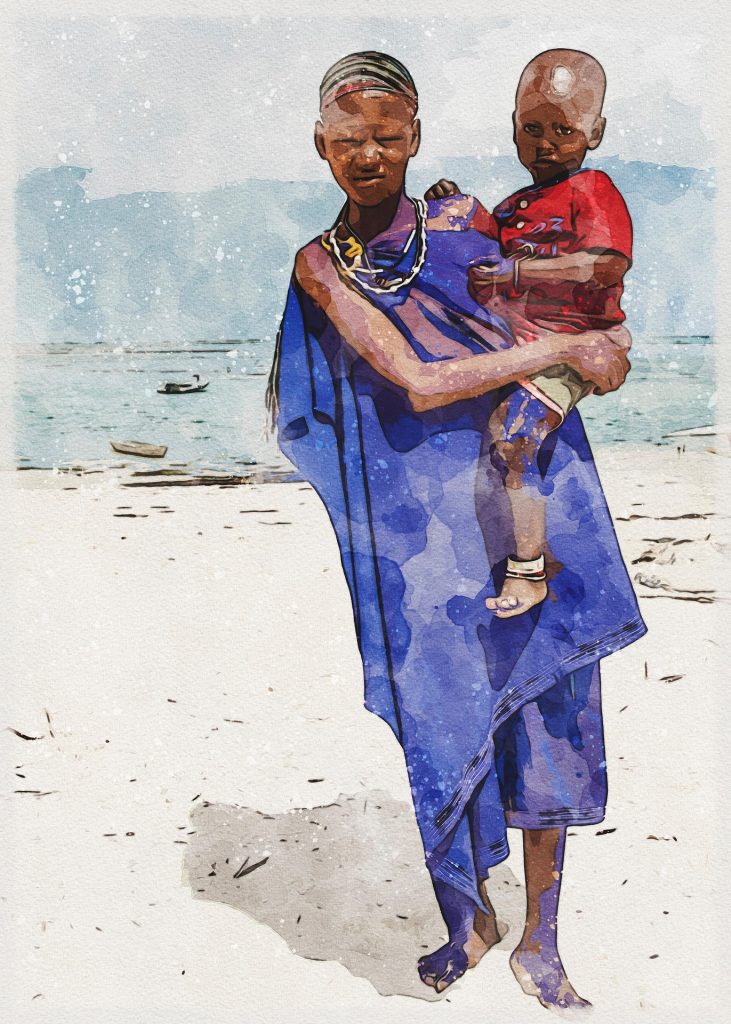
Malawi and Zanzibar may seem different at first glance, but they share several striking similarities in culture, tourism appeal, and history. These similarities can make an interesting travel or educational topic for Izala Guest House and Travel.
Shared Warm Hospitality
Both Malawi and Zanzibar are known for friendly, welcoming people. Malawi is often called The Warm Heart of Africa, while Zanzibar is famous for its relaxed island hospitality.
Strong Connection to Water
Water shapes life in both places.
Malawi has Lake Malawi, one of Africa’s great lakes.
Zanzibar is surrounded by the Indian Ocean.
Both offer beaches, fishing communities, sunsets, and water-based tourism.
Rich Cultural Identity
Both have strong traditional cultures expressed through:
Music and dance
Colorful clothing
Local languages
Family-centered communities
Traditional food and crafts
Tourism Potential
Each destination offers peaceful tourism compared with more crowded global hotspots.
Malawi attracts travelers seeking nature, safaris, and authentic culture.
Zanzibar attracts travelers seeking beaches, heritage towns, and spice experiences.
Historical Importance
Both regions played roles in East and Central African history.
Malawi has missionary history, kingdoms, trade routes, and heritage sites like Chongoni Rock Art Area.
Zanzibar is famous for Stone Town, maritime trade history, and Swahili-Arab cultural heritage.
Agriculture and Local Produce
Both economies rely partly on agriculture and local produce.
Malawi: maize, tobacco, tea, sugar, fish.
Zanzibar: cloves, spices, coconuts, sea products.
Relaxed Lifestyle
Many visitors notice a slower, community-oriented pace of life in both places compared with large global cities.
Scenic Beauty
Both places combine natural beauty with culture:
Malawi: mountains, lake shores, wildlife parks.
Zanzibar: white-sand beaches, palms, coral waters.
Striking Similarities Between Malawi and Zanzibar
A Cultural and Travel Connection Worth Discovering
When travelers think about Africa’s most memorable destinations, two places quietly stand out for their warmth, culture, history, and natural beauty — Malawi and Zanzibar. At first glance, these destinations may appear very different. One is famous for its vast freshwater lake and peaceful villages, while the other is known for white sandy beaches and the historic charm of Stone Town. However, a closer look reveals many striking similarities that connect Malawi and Zanzibar in surprising and meaningful ways.
For travelers seeking authentic African experiences, both destinations offer a blend of hospitality, cultural richness, traditional lifestyles, and historical depth. These similarities make Malawi and Zanzibar ideal destinations for tourists who appreciate culture, heritage, relaxation, and genuine human connection.
- Warm Hospitality and Friendly People
One of the strongest similarities between Malawi and Zanzibar is the warmth of the people. Malawi is widely known as “The Warm Heart of Africa,” a name earned through the kindness, humility, and welcoming spirit of its citizens. Visitors often speak about how locals greet strangers with smiles and make tourists feel at home.
Zanzibar shares this same spirit of hospitality. Whether walking through the narrow streets of Stone Town or visiting fishing villages along the coast, visitors are usually welcomed with friendliness and respect. In both destinations, community va islues remain strong, and human connection is an important part of daily life.
This natural hospitality creates unforgettable travel experiences. Tourists are not treated merely as customers, but as honored guests. Such warmth encourages repeat visits and positive word-of-mouth tourism.
For hospitality businesses like Izala Guest House & Travel, this cultural similarity reflects the true African spirit of welcoming visitors with care, comfort, and sincerity. - Strong Swahili and African Cultural Influence
Although Malawi has many ethnic groups and languages, there are regions within the country where Swahili cultural influence can still be seen, especially along lakeshore trading communities and historical Muslim settlements. Zanzibar, on the other hand, is globally recognized as a center of Swahili civilization and culture.
Both Malawi and Zanzibar reflect the beauty of African traditions mixed with historical interactions involving Arab traders, local African communities, and Indian Ocean commerce. Traditional clothing, food preparation styles, music, storytelling, and social customs in both places reveal a deep respect for culture and identity.
In Malawi, traditional dances such as Gule Wamkulu and local storytelling ceremonies continue to preserve cultural heritage. Similarly, Zanzibar celebrates Taarab music, traditional Swahili poetry, and cultural festivals that honor its rich past.
Travelers who enjoy cultural tourism often appreciate destinations where traditions are still alive and respected. Both Malawi and Zanzibar provide exactly that experience. - Historical Trading Connections
Historically, Malawi and Zanzibar were connected through old African trade routes. During the 18th and 19th centuries, traders moved between East Africa’s coastal regions and inland territories that included present-day Malawi. Zanzibar became one of the major centers for trade in East Africa, influencing inland communities economically and culturally.
These historical connections helped shape social relationships, language influences, religious practices, and trade systems across the region. Some communities around Lake Malawi still preserve traditions and lifestyles influenced by these historical interactions.
Stone Town in Zanzibar remains a powerful reminder of East Africa’s trading history, with ancient buildings, carved doors, and historical sites telling stories of centuries past. Likewise, Malawi’s historical routes and lakeshore communities hold valuable stories connected to African trade and migration.
For travelers interested in history and heritage tourism, both destinations offer opportunities to learn about Africa’s interconnected past. - Beautiful Water Destinations
Another major similarity between Malawi and Zanzibar is their strong connection to water and coastal-style living.
Malawi is home to Lake Malawi, one of Africa’s largest and most beautiful freshwater lakes. The lake provides breathtaking beaches, fishing communities, island experiences, and relaxing tourism activities. Many visitors are surprised to find that Malawi offers beach-like experiences despite being a landlocked country.
Zanzibar, surrounded by the Indian Ocean, is internationally famous for its crystal-clear waters, coral reefs, and tropical beaches. Both destinations attract tourists looking for peace, relaxation, water activities, and scenic beauty.
In both Malawi and Zanzibar, fishing plays an important role in local livelihoods. Early morning fishing boats, fresh seafood or fish markets, and lakeside or seaside sunsets create memorable experiences for travelers.
These water-centered lifestyles create a calm and peaceful atmosphere that appeals to tourists seeking escape from busy urban life. - Rich Food Traditions
Food is another area where Malawi and Zanzibar share similarities. In both destinations, meals are deeply connected to community, family, and local traditions.
Malawian cuisine often includes nsima, fish from Lake Malawi, vegetables, rice, and flavorful local dishes. Along the lakeshore areas, fish is especially important and forms part of everyday life.
Zanzibar’s cuisine also revolves around seafood, rice dishes, spices, coconut flavors, and traditional Swahili cooking methods. The island is globally famous for its spice heritage and aromatic foods.
Although the exact recipes may differ, both places emphasize fresh ingredients, shared meals, and authentic African flavors. Travelers interested in culinary tourism can enjoy unique food experiences that connect culture, history, and local identity.
Food markets, local restaurants, and traditional cooking experiences in both destinations help visitors better understand the lifestyle of the people. - Religious Diversity and Peaceful Coexistence
Both Malawi and Zanzibar demonstrate peaceful coexistence among different religious communities. Christianity and Islam both play important roles in shaping cultural life, values, and social traditions.
In Malawi, mosques and churches often exist side by side in many communities. Zanzibar, while predominantly Muslim, also welcomes people from different backgrounds and beliefs.
Religious celebrations, modest hospitality, respect for elders, and strong moral values are visible in daily life in both places. Tourists often appreciate the peaceful atmosphere and cultural tolerance found within these communities.
This harmony contributes positively to tourism because visitors feel safe, respected, and welcomed regardless of their background. - Tourism with Authentic African Identity
Modern travelers increasingly seek authentic destinations that still preserve local culture and natural beauty. Malawi and Zanzibar both provide this authenticity.
Unlike heavily commercialized tourist destinations, both places still maintain a natural connection to local life. Visitors can interact directly with communities, experience traditional lifestyles, and enjoy meaningful cultural exchanges.
Malawi offers peaceful tourism experiences through nature, wildlife, lakeshore relaxation, and cultural interaction. Zanzibar combines historical exploration, beach tourism, and Swahili cultural immersion.
For travel brands and hospitality businesses such as Izala Guest House & Travel, these similarities present an opportunity to promote African tourism experiences built on culture, authenticity, and human connection.
Conclusion
Malawi and Zanzibar may be separated geographically, but they share remarkable similarities rooted in culture, history, hospitality, and lifestyle. Both destinations offer warm people, rich traditions, beautiful water experiences, historical significance, and authentic African identity.
For travelers exploring Africa, these two destinations complement each other perfectly. A visitor who falls in love with the peaceful beaches of Lake Malawi may also appreciate the cultural beauty of Zanzibar. Likewise, travelers fascinated by Zanzibar’s Swahili heritage may discover familiar warmth and traditions within Malawi.
At Izala Guest House & Travel, we believe tourism is not only about visiting places — it is about discovering connections between people, cultures, and histories. The similarities between Malawi and Zanzibar remind us that Africa’s beauty lies not only in its landscapes, but also in the shared stories that unite its people.


Leave a Reply